
For years, travel was all about ticking off as many destinations as possible in the shortest time. But lately, a quieter movement has been taking shape among travelers who want more meaningful experiences. Slow travel encourages people to stay longer, explore deeper, and form genuine connections with the places they visit. It is less about collecting photos and more about collecting moments that linger in memory. This shift is reshaping how people think about vacations, urging them to replace packed itineraries with more mindful and rewarding adventures that focus on quality rather than speed.
The Desire for Meaningful Experiences
 Many travelers are realizing that rushing from one tourist attraction to another leaves little room for real experiences. Slow travel allows people to fully absorb local culture, traditions, and daily life. By spending more time in one place, travelers can enjoy conversations with locals, try authentic food, and understand the rhythm of the community. This approach creates lasting memories and a deeper appreciation for each destination. Instead of feeling exhausted after a trip, people return home refreshed, enriched, and inspired by the connections they have made.
Reducing Travel Fatigue and Stress
Fast itineraries may seem exciting at first, but they often lead to fatigue and frustration. Constantly packing, moving, and adjusting to new environments can take a toll on both the body and mind. Slow travel offers a calmer, more sustainable pace that prioritizes relaxation and enjoyment. Travelers can wake up without the pressure of catching the next train or flight, allowing them to savor mornings over coffee or stroll through neighborhoods at their own pace. This slower rhythm turns travel into a restorative experience rather than a race against time.
Environmental Awareness and Sustainability
The growing focus on sustainability has also contributed to the rise of slow travel. Staying longer in one destination means fewer flights, less fuel consumption, and a smaller carbon footprint. It encourages the use of local transportation and supports small businesses such as family-run restaurants and guesthouses. Many travelers now prefer to contribute to communities rather than exploit them, making mindful travel choices that benefit both the environment and local economies. This ethical approach reflects a broader global trend toward conscious living and responsible tourism.
The Digital Detox Effect

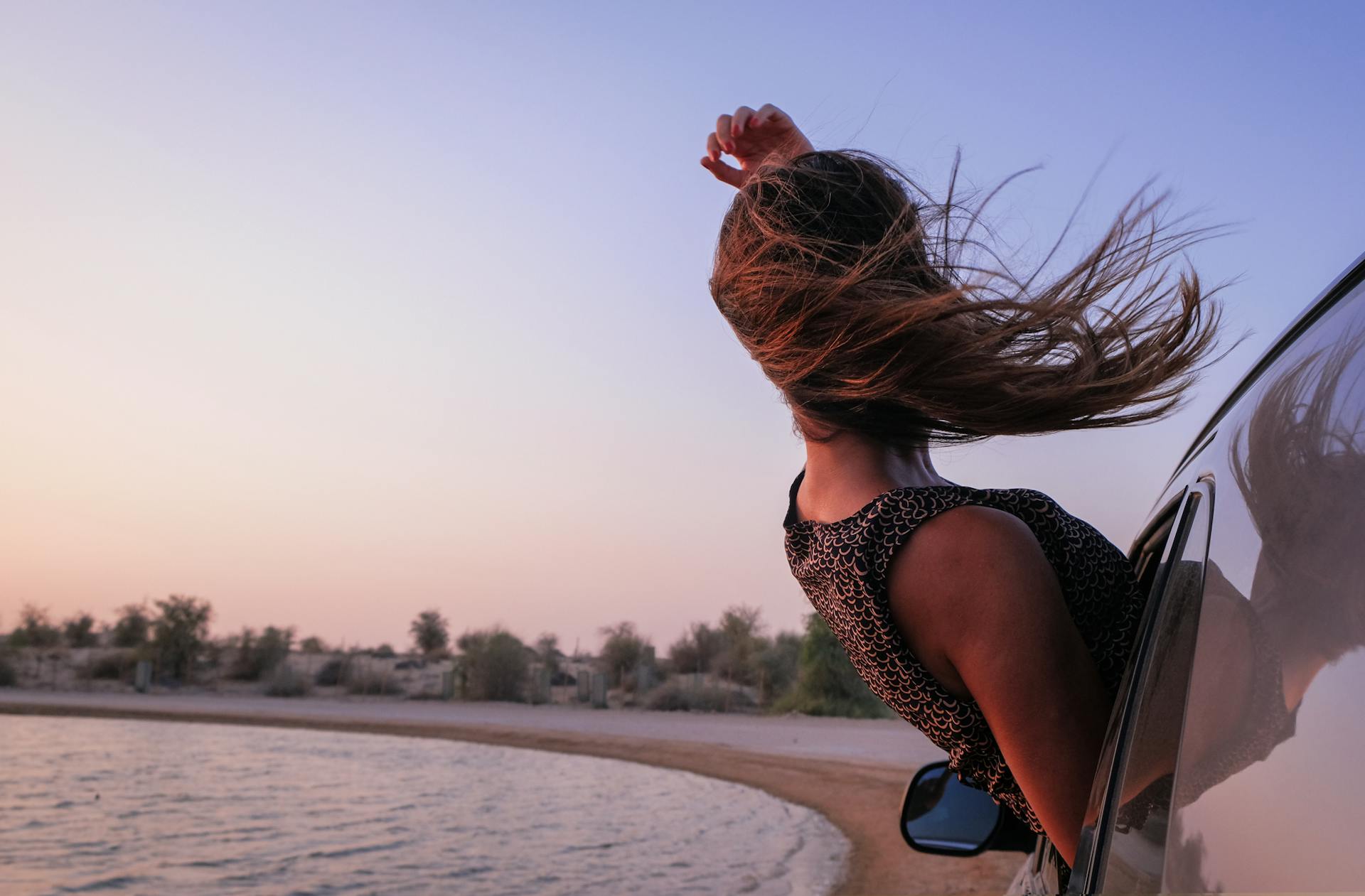
Modern life often feels dominated by screens and constant notifications, and travel can easily become another opportunity for digital overload. Slow travel provides the perfect opportunity to disconnect and rediscover presence. Without the rush of constant movement, travelers can appreciate simple pleasures such as watching a sunset, reading a book by the beach, or journaling their experiences. This intentional slowing down helps restore focus and balance while allowing genuine immersion in the present moment. It is a refreshing reminder that the best memories often happen when we are not trying too hard to capture them.
A Shift in Traveler Mindset
The rise of slow travel also reflects a change in how people define success and fulfillment. Rather than chasing bucket lists, travelers are embracing simplicity and authenticity. Many now value depth of experience over the number of stamps in their passport. This mindset shift is particularly appealing to those who seek connection, reflection, and personal growth through travel. The movement has become less about where you go and more about how you experience it, creating a more conscious and fulfilling way to explore the world.
Slow travel is gaining attention because it reminds us what travel is truly about: connection, discovery, and peace of mind. By focusing on fewer destinations and longer stays, travelers can build deeper relationships with the places they visit and with themselves. It is a style of travel that values mindfulness, sustainability, and genuine enjoyment over speed and excess. In a world that often feels rushed, slow travel offers something rare and precious — the chance to breathe, reflect, and truly experience life along the way.